


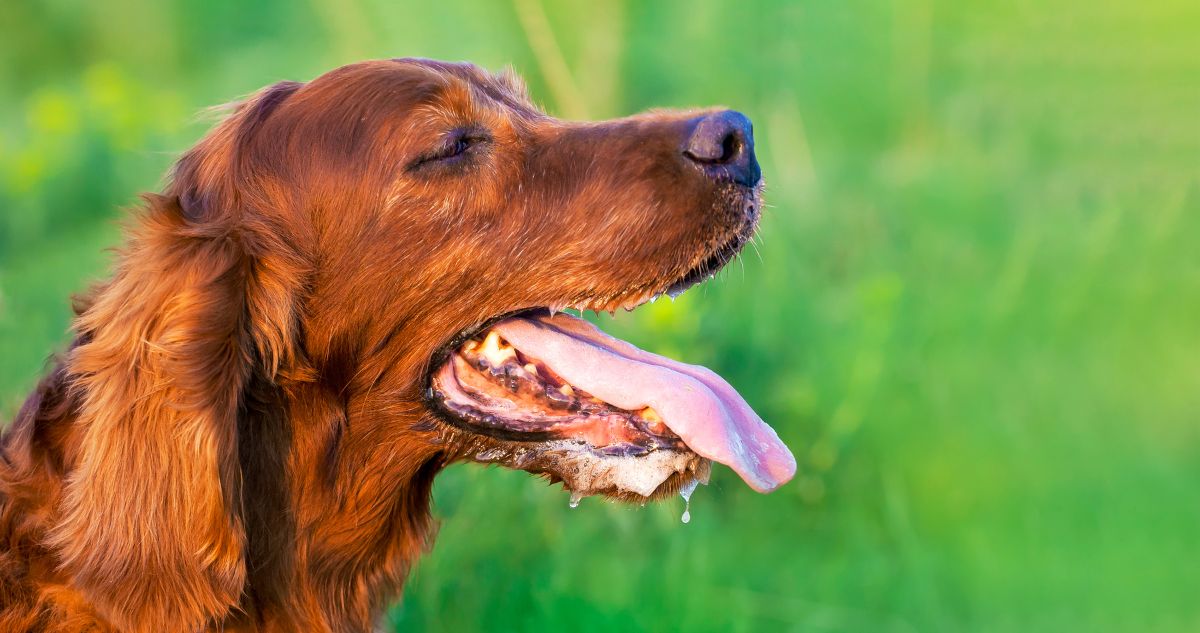
As a dog owner in Singapore, you are likely used to seeing your canine companion pant after a brisk walk during a humid afternoon. Because dogs cannot sweat through their skin like humans, panting is their primary way of cooling down.
However, when your dog starts panting heavily while resting in a cool, air-conditioned room, or if the panting sounds unusually frantic, it naturally triggers a wave of worry. Understanding the difference between a normal cooling mechanism and a warning sign of an underlying medical issue is crucial for keeping your pet safe.
Normal vs. Abnormal Dog Panting: The Baseline
Before diving into the causes, it helps to distinguish between a healthy cooling reflex and a symptom of distress.
- Normal Panting: This is typically a direct response to heat, excitement, or physical exertion. The panting should be rhythmic, temporary, and stop once your dog has rested in a cool environment or had a drink of water.
- Abnormal Panting: This occurs without an obvious trigger (e.g., while lying down in a cool room). It often sounds louder, harsher, or more raspy than usual, and may be accompanied by a stretched-out neck or wide, anxious eyes.
Common Reasons Why Your Dog Is Panting Heavily
If your dog’s panting seems excessive, it generally boils down to one of four main categories:
- Singapore’s Tropical Heat and Humidity: On hot days, a dog’s internal temperature can spike quickly, leading to heavy panting. If left unchecked, this can rapidly escalate into life-threatening heatstroke, especially for brachycephalic (flat-faced) breeds like Pugs, Bulldogs, and Shih Tzus.
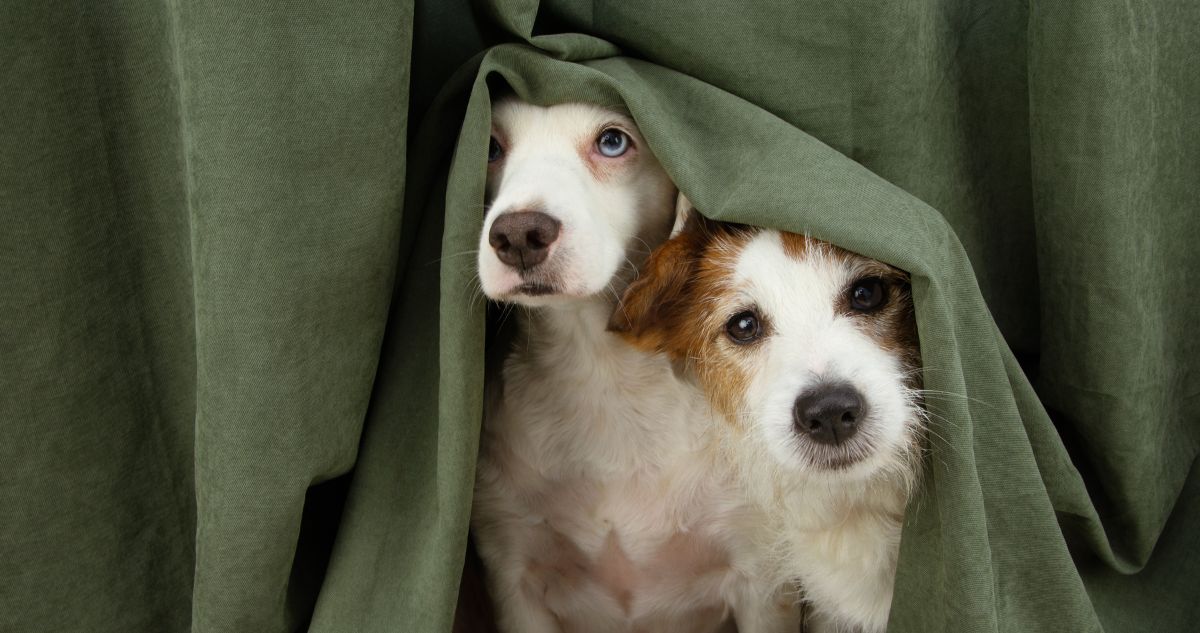
- Stress, Anxiety, or Fear: Emotional distress triggers an adrenaline rush that increases the heart rate and induces panting. Common triggers include thunderous downpours during monsoon seasons, loud fireworks, or separation anxiety.
- Physical Pain or Discomfort: Dogs instinctively hide physical vulnerabilities. Sudden, unprovoked panting is one of the most common subtle signs that a dog is experiencing pain from an injury, arthritis, or an upset stomach.
- Underlying Medical Conditions: Chronic diseases such as heart failure, respiratory infections, or endocrine disorders like Cushing’s disease (hyperadrenocorticism) disrupt the body’s natural balance and frequently cause heavy, chronic panting.
What You Should Do At Home If Your Dog Is Panting a Lot
If your dog is panting heavily but is otherwise alert and acting normally, you can take immediate steps at home to help soothe them:
- Cool the Environment Down Immediately: Move your dog into a well-ventilated, air-conditioned room. Switch on a fan to help circulate the air around them.
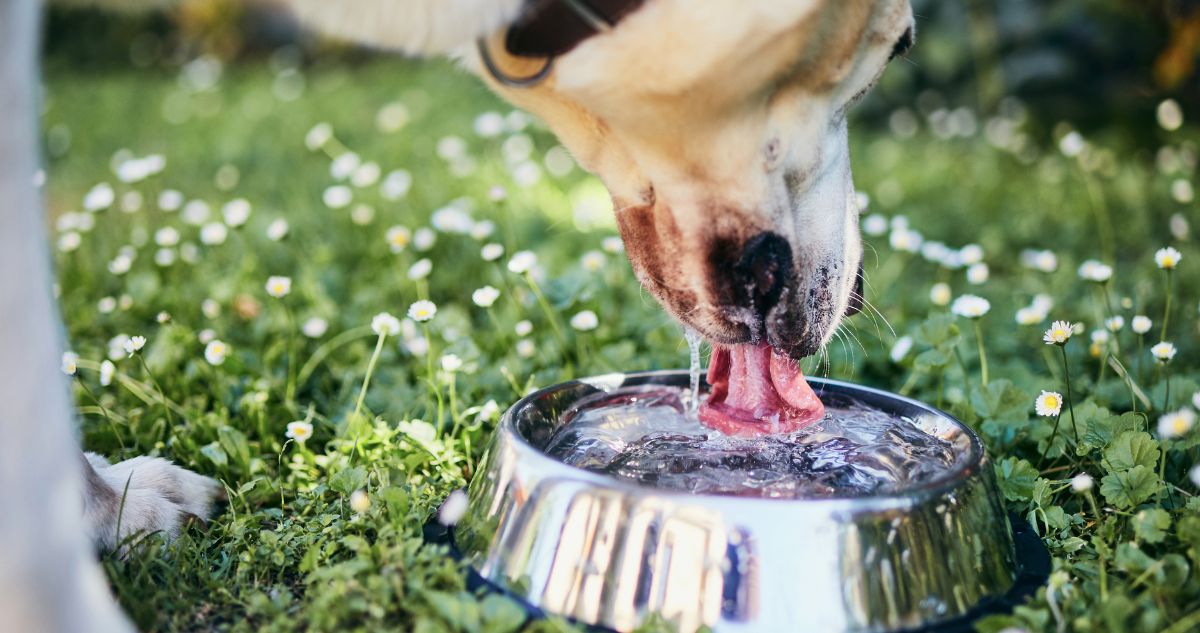
- Provide Hydration: Offer fresh, cool water, but do not force them to drink.
- Lower Their Body Temperature Safely: If you suspect they are overheated, wipe down their paws, groin, and underarms with a damp, room-temperature towel. Avoid using ice-cold water, as this can cause their blood vessels to constrict, actually trapping heat inside their core.
- Create a Calm Space: If the panting is caused by anxiety (like a thunderstorm), guide them to a quiet, dark room or a cozy crate where they feel secure. Turn on some soft background white noise to mask outside sounds.
Observe closely: If your dog does not stop panting after 10 to 15 minutes of resting in a cool, calm environment, it is time to transition from home care to a veterinary evaluation.
Emergency Red Flags: When Heavy Panting Requires Immediate Vet Care
Sometimes, panting is a clear medical emergency. Take your dog to a clinic immediately if their heavy panting is accompanied by any of the following warning signs:
Concerned About Your Dog’s Panting? Visit Amber Vet (Siglap / East Coast)

If you live in East Singapore and notice your dog panting excessively without an obvious cause, getting a professional diagnostic evaluation is the safest course of action. Chronic or sudden abnormal panting often requires specialized diagnostic tools, such as digital X-rays, comprehensive blood panels, or cardiac ultrasounds, to uncover the root cause.
For pet owners across Siglap, Bedok, Katong, and the East Coast area, Amber Vet provides advanced diagnostic care and personalized treatment plans to ensure your dog breathes easily again.
- Phone: 6245 5543
- Address: 50 Burnfoot Terrace, Singapore 459837 (Located near Frankel Avenue)
- Operating Hours:
- Mondays to Fridays: 9:30 AM – 12:00 PM | 2:30 PM – 7:00 PM
- Saturdays: 9:30 AM – 1:00 PM
- Sundays & Public Holidays: Closed
