



Core Vaccinations & Preventative Care: How Often Are They Needed?
Vaccinations are an important part of your dog’s lifelong preventive healthcare. Puppies require a series of vaccinations to build immunity, while adult dogs need regular boosters or immunity checks to maintain protection.
- Puppies: Vaccinations are typically given at 8, 12, and 16 weeks of age, followed by a booster 12 months after the final puppy vaccination.
- Adult dogs: During your dog’s annual health check, your veterinarian will recommend either a core booster vaccination or an in-house VacciCheck blood test to assess whether your dog still has protective antibodies against core diseases.
- Lifestyle-based vaccines: Vaccines such as Leptospirosis (L4) and Kennel Cough (Bordetella) are generally recommended every year for dogs at risk based on their lifestyle and environment.
- Rabies vaccination: Not routinely required in Singapore, but may be needed for overseas travel or import/export requirements.
Keeping your dog’s vaccinations up to date helps protect them against serious infectious diseases and allows your veterinarian to tailor preventive care to their age, lifestyle, and individual risk factors.
Comprehensive Health Screenings: What They Are & How Often They’re Needed

While a standard wellness exam involves a vet checking your dog from head to tail externally, a comprehensive health screening looks inside the body to ensure everything is functioning correctly.
What Are Health Screening Tests?
A thorough health screening package typically goes beyond a physical exam to include:
- Complete Blood Counts & Biochemistry: Checking liver and kidney function, blood sugar levels, and red/white blood cell counts.
- Urinalysis: Screening for hidden urinary tract infections, crystals, or early kidney issues.
- Diagnostic Imaging: Utilizing abdominal ultrasounds or chest X-rays to visually evaluate internal organ structures and heart size.
Why They Are Vital
Dogs are hardwired to hide pain and illness. Often, by the time a dog shows physical symptoms of a disease, the condition has already progressed to an advanced stage. Early screenings allow veterinarians to catch minor health anomalies early, making management much easier, more successful, and less costly.
How Often to Do It
- Young and Adult Dogs (Under 7 years): Once every year is highly recommended to monitor baselines.
- Senior Dogs (7 years and above): Strictly every 6 to 12 months, as age-related illnesses can develop rapidly in senior canines.
Proactive Longevity: How Often to Consider Veterinary Acupuncture?
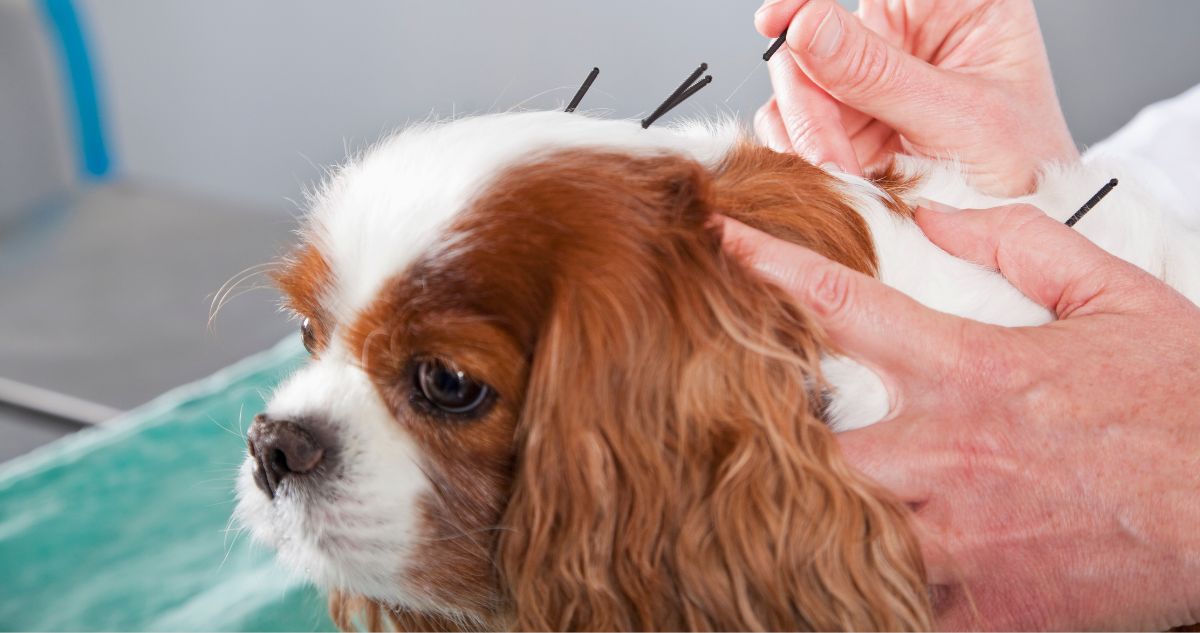
Modern veterinary medicine beautifully bridges the gap between advanced Western diagnostics and supportive Eastern therapies. Veterinary acupuncture is an elective treatment focused entirely on maximizing your dog’s comfort, wellness, and longevity.
Acupuncture works by stimulating specific points on the body to improve blood circulation, stimulate the nervous system, release natural pain-relieving endorphins, and reduce chronic inflammation. It is highly beneficial for managing age-related arthritis, joint stiffness, and chronic spinal issues, or simply boosting the vitality of aging dogs.
How Often to Do It
- Initial Phase: If your dog is dealing with an active issue like arthritis stiffness, a vet will typically recommend sessions once a week for the first 3 to 4 weeks.
- Wellness & Maintenance Phase: For proactive wellness, senior care, and long-term longevity support, maintenance sessions are usually scheduled once every 2 to 4 weeks to keep your dog moving comfortably and feeling their best.
Schedule Your Dog’s Wellness Plan at Amber Vet (Siglap / East Coast)

Every dog is unique, and their veterinary calendar should reflect their individual lifestyle, age, and breed requirements. Balancing advanced diagnostics with holistic wellness therapies gives your dog the best opportunity at a long, pain-free life.
For pet owners seeking comprehensive health screening solutions and preventative wellness plans in Singapore, Amber Vet offers tailored care for every stage of your dog’s life. Conveniently located in Siglap (East Coast), our clinic combines advanced Western diagnostics, like digital radiography, ultrasound, and blood screening, with traditional therapies like veterinary acupuncture to optimize your pet’s long-term well-being.
- Phone: 6245 5543
- Address: 50 Burnfoot Terrace, Singapore 459837 (Located near Frankel Avenue)
- Operating Hours:
- Mondays to Fridays: 9:30 AM – 12:00 PM | 2:30 PM – 7:00 PM
- Saturdays: 9:30 AM – 1:00 PM
- Sundays & Public Holidays: Closed
